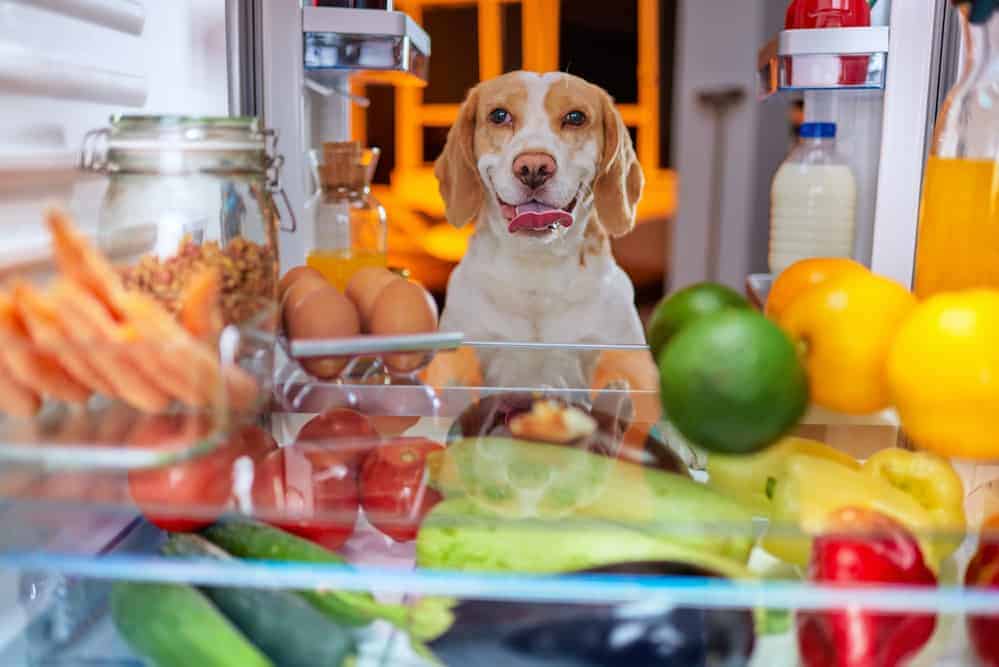
Our quick take: home-cooked food makes a great topper or occasional meal, but it is hard to turn into a complete diet. When veterinary nutritionists at UC Davis analyzed 200 homemade dog food recipes, 95% were missing at least one essential nutrient. So use the 21 recipes below alongside a complete and balanced dog food, or ask your vet or a board-certified veterinary nutritionist to balance a recipe before you feed it every day. And never cook with onion, garlic, grapes, raisins, macadamia nuts, chocolate or xylitol.
Have you ever wondered if you could cook for your dog? I have. Hi, I’m Mary, certified dog lover and part-time canine chef, here to assure all my fellow dog owners that, yes, you can take your love for your adorable furball into the kitchen! And here is my collection of the best homemade dog food recipes.
But first, those of you who know me may be wondering how I started my homemade food journey when I swear by my dog food subscription. Simple really.
I once went on a perfectly-planned vacation with my pets, only to remember too late that my next batch of Nom Nom Now Fresh Foods would be arriving at my home — which I had already left — and definitely would never reach my new place in time. So I took to the internet, discovered the existence of homemade dog food recipes, and put together my own dog food for the very first time.
That experience taught me the value of options outside of traditional dog food, as well as the joy of going homemade. It also managed to both get me through the rest of the week without trouble and set me off on the path of compiling and testing various dog food recipes with the support of my pet parent pals.
Best Homemade Dog Food Recipes
So these DIY dog food recipes are the end result of that research. Over time, it has evolved as I added new dog food recipes, removed some, and updated others.
This tried and tested collection (by me) of the best homemade dog food recipes have all been given the paw of approval by my pups:
Chicken Fillet and Brown Rice
½ pound of chicken fillet
2 cups of brown rice
1 cup of chopped broccoli (keep in mind that large pieces pose a choking hazard, especially for smaller breeds)
½ cup of green beans
1 cup of peas
2 tablespoons of vegetable oil
Directions: Start by cooking the brown rice, as this will allow it to cool by the time the other ingredients are cooking. The standard ratio is two parts water to one part rice, though you may also add an extra cup of water for dogs with sensitive teeth. If you are using a rice cooker, you may refer to the manual.
Cut the chicken into bite-sized mouthfuls while the rice is cooking. Then cook it as well. I recommend steaming it for the softness, but you may do it the way you prefer as long as you avoid seasonings and spices.
Set the rice aside once it’s done. Saute the peas, broccoli, and green beans in the oil until they are tender, and then, when the chicken is finished, mix all the ingredients together. Allow it to cool and then serve.
Chicken Fillet and Ground Beef
2 pounds of chicken fillet
1 ½ pounds of ground beef
1 cup of rolled oats (not instant)
12 ounces of chopped vegetables (I recommend celery and broccoli)
Directions: Cut the chicken into easily-swallowed pieces. For an idea of what this would mean for your dog, visualize the size of your dog’s usual mouthfuls. Then cut slightly smaller than that.
Place the chicken in a pot, cover it in water, and boil. After it is brought to a boil, allow it to simmer for 40 minutes. Add the beef, the oats, and the chopped vegetables and simmer for another 5 minutes.
Allow the dog food to cool until it feels just warm to the touch (preferably just above your dog’s body temperature) and ladle out into portions.
Chicken Broth
1 whole chicken or 3 pounds of chicken bones
3 liters of water (or enough to cover the chicken)
Directions: Place the chicken in a slow cooker or a large pot and cover with water. Bring the water to a boil and then lower the heat to simmer for about an hour, remove from the stove, and then strain through a colander. If you used bones, throw them away and never give them to your dog, because bones can splinter and injure or block the gut. If you used a whole chicken, simply remove it from the container.
Chicken Breasts and Vegetables Broth
4 chicken breasts
1 cup of drained and rinsed kidney beans
1 cup of drained and rinsed black beans
1 cup of chopped carrots
4 cups of chicken broth
Directions: Dice the chicken breasts into bite-sized pieces (so about the size of your dog’s mouthfuls) and place them in a skillet over medium heat. After they cook, place them in a large pot with the kidney beans, black beans, carrots, and chicken broth and cook over medium heat again for about 10 minutes.
Allow to cool and then serve.
Ground Turkey and Brown Rice
3 pounds of ground turkey
1 ½ cups of brown rice
1 tablespoon of olive oil
3 cups of chopped spinach
½ cup of grated carrots
½ cup of grated zucchinis
½ cup of peas
Directions: Start by cooking the rice. Again, this is to allow it to cool by the time the rest of the ingredients finish cooking.
While two parts water to one part rice is the standard, another cup of water will make the end result runnier, which might be easier to eat and digest. This could be recommended for dogs with sensitive teeth. Refer to the manual if you are using a rice cooker.
As the rice cooks, heat the oil in a large pot at medium heat and add the turkey. Cook until browned. Stir in the vegetables and cook for an additional 5 minutes. Allow it to cool, mix in the rice, and serve.
Ground Turkey and Mixed Vegetables
1 pound of boneless ground turkey thigh
4 tablespoons of ground turkey organ meat
½ cup of grated vegetables (I usually use carrots or sweet potatoes)
2 teaspoons of ground raw sunflower seeds
1 teaspoon of coconut oil
1 teaspoon of salmon oil
500 milligrams of calcium citrate (dog-specific)
Directions: First, blanch the vegetables. This will allow them to retain their flavor and texture, as dogs love a good crunch. Afterwards, place them in a food processor and pulse (that is, mix through short bursts of power) and then set aside. Cook the ground thigh and organ meat at a medium low temperature.
When most of the meat has turned white (but some are still a bit pink), remove it from the burner. Mix all the ingredients together, allow them to cool, and serve to a happy pup. As nutritional supplements, you may add 1½ tablespoons of ground fresh parsley or zucchini to the homemade dog food recipe per day, or a ¼ teaspoon of cod liver oil thrice a week.
Ground Beef and Brown Rice
1 pound of ground beef
2 cups of brown rice
2 hard boiled eggs
½ cup of chopped green beans
½ cup of chopped carrots
2 tablespoons of olive oil
Directions: First, cook one part brown rice to two parts water, though you can add an extra part of water if a runny mix is desired.
Dice the hard boiled eggs and set them aside with the rice. Drizzle the olive oil over a pot and cook the ground beef at medium heat.
Stir in the green beans and the carrots and cook for another 5 minutes, or until they are tender. Mix in the cooked eggs and the rice, allow to cool, and serve.
Ground Beef and Mixed Vegetables
1 ¼ pounds of ground beef
¾ cups of brown rice
7 ounces of drained and rinsed kidney beans
¾ cups of chopped butternut squash (washed, peeled, and with seeds and strings removed!)
¾ cups of chopped carrots
¼ cup of frozen peas
2 cups of water
Directions: Place the ground beef, butternut squash, frozen peas, carrots, kidney beans, brown rice, and water in a slow cooker and mix well. Cover and cook on low heat for 5 hours, or alternatively, on high heat for 3 hours.
The end result should be tender–all the better for a dog to swallow. As a slow cooker will maintain its temperature, however, I recommend that you prepare this only if you don’t mind changing containers in the end or if you expect to have enough time to allow it to cool. Serve while warm (not hot!).
Directions: Start by cooking the brown rice: two parts water to one part rice should be fine. Feel free to add an extra cup of water if your dog prefers a runnier mix.
Dice the hard boiled eggs and set them aside. Boil the cabbage, pumpkin, and peas together in a pot and allow them to simmer for 5 minutes. While it cooks, dice the salmon fillet into bite-sized pieces. Then add the salmon fillet to the pot and simmer again. The salmon has to reach an internal temperature of at least 145 degrees Fahrenheit before it is safe.
Take out the vegetables and the salmon, mix them with the brown rice and the cooked eggs, and allow to cool. Serve to an expectant pup.
Salmon Fillet and Mixed Vegetables
1 pound of salmon fillet
¼ cup of chopped broccoli
¼ cup of chopped sweet potatoes
¼ cup of chopped green beans
¼ cup of chopped carrots
¼ cup of chopped squash
1 tablespoon of coconut oil
Directions: Start by cooking the salmon filet in the coconut oil for eight minutes, or until it reaches a reddish shade of brown. Steam the broccoli, squash, carrots, and green beans until tender, then set them aside. Boil the sweet potatoes (or bake them, if you prefer).
There’s lots of vitamins and minerals in potato skin, so you don’t have to go through the hassle of peeling! Then mix all the ingredients together and allow them to cool.
Fruits and Vegetables Salad
1 cup of black beans
1 cup of quinoa
¼ cup of chopped squash
¼ cup of chopped spinach
¼ cup of chopped zucchini
¼ cup of sliced apples (no seeds!)
¼ cup of sliced pears
Directions: After cooking the black beans and the quinoa, mix all the ingredients together. And you’re done! Your bowl of fresh dog food is ready to serve.
10 More Homemade Dog Food Recipes From Other Cooks
The next ten recipes were created by other dog owners, food bloggers and one veterinarian. For each one you’ll find a short summary, the key ingredients and a safety note. The recipes belong to their creators, so follow the credit link under each one for the exact amounts and step-by-step directions.
Good to know: unless a recipe says otherwise, treat these as toppers, treats or occasional meals. Only the beef and russet potato recipe includes a vitamin and mineral blend to balance it for everyday feeding.
1. Chicken Soup for Dogs
A plain, gentle soup of chicken simmered in water with a few vegetables, with no salt or seasoning. The chicken is shredded back into the pot once it’s cooked, and the vegetables can be puréed into the broth. It works well as a warm topper over kibble or as an easy way to get more fluid into a dog who isn’t drinking much.
Key ingredients: boneless, skinless chicken thighs (or about 1 pound of another boneless cut), carrot, celery, fresh parsley and water.
Safety note: use boneless chicken, and never add onion, garlic, or a store-bought stock or bouillon that contains them. Let the soup cool to lukewarm before serving so it can’t burn your dog’s mouth.
A one-pot pressure cooker meal. Brown rice goes in first, then cubed chicken breast, diced vegetables and apple, and everything cooks together for 25 minutes at high pressure. A spoonful of coconut oil is stirred in at the end.
Key ingredients: chicken breast, brown rice, sweet potato, carrots, green beans, apple, celery, water and coconut oil.
Safety note: peel and core the apple and remove every seed. Use boneless chicken. The recipe has no added vitamin and mineral supplement, so serve it as a topper or an occasional meal, not as your dog’s only food.
A cooked beef and potato meal written by a veterinarian. Lean ground beef and a little beef liver are browned with vegetables and apple, then mixed with boiled russet and sweet potatoes, two oils and a vitamin and mineral blend. It keeps in the refrigerator for a few days and can be frozen in portions.
Key ingredients: lean ground beef, beef liver, russet potatoes and sweet potatoes (skin on), carrots, green beans, green peas, apple, safflower oil, fish oil and the JustFoodForDogs nutrient blend.
Safety note: the nutrient blend is what balances this recipe, so don’t leave it out or swap it for something else without asking your vet. Cook the potatoes until soft (never feed raw or green potatoes), remove the apple core and seeds, and let everything cool before you mix in the oils and the blend.
Oven-baked salmon, flaked and mixed with brown rice, peas, spinach and pumpkin purée. It’s a simple fish-based option for dogs that do well on salmon, and the only cooking is baking the fish and simmering the rice.
Key ingredients: salmon, brown rice, frozen peas, spinach and plain pumpkin purée.
Safety note: cook the salmon all the way through. Raw or undercooked salmon can carry a parasite that causes salmon poisoning disease, which can be fatal to dogs. Remove every bone as you flake the fish, and use plain pumpkin purée, not sweetened pie filling.
A big-batch pressure cooker stew of rice, lentils, beans and vegetables, finished with chia seeds and ground flaxseed and frozen in individual portions. Pumpkin and sweet potato are optional extras.
Key ingredients: brown rice, lentils, garbanzo beans, great northern or navy beans, spinach, peas, green beans, carrots, chia seeds and ground flaxseed.
Safety note: a home-cooked plant-based recipe is unlikely to be complete and balanced on its own. Serve it as a topper or an occasional meal unless your vet or a board-certified veterinary nutritionist has balanced it for your dog. Cook dried beans fully, and introduce the stew slowly, because this much fiber can cause gas and loose stools.
A “use what you have” vegan stew of cooked grains, legumes, greens, pumpkin and squash, heated slowly and frozen in batches. The creator spoons about a cup of it over a complete vegan kibble, so the kibble covers the vitamins and minerals and the stew adds variety.
Key ingredients: brown rice, quinoa, chickpeas, lentils or black beans, leafy greens, nutritional yeast, unsalted natural nut butter, pumpkin, flaxseed, green peas, corn, squash, edamame and unsweetened applesauce.
Safety note: the original recipe also lists dried cranberries and roasted nuts. Dried cranberries are usually sweetened and are sometimes sold mixed with raisins, which are toxic to dogs, so check the pack or leave them out. Never use macadamia nuts, and go easy on other nuts, because their fat can cause vomiting and diarrhea. Check that the nut butter contains no xylitol.
A blended soup that needs no cooking: cucumber, ripe tomato, bell pepper, a little pumpkin and parsley are blitzed with low-sodium broth. Serve it cool as a hydrating topper in warm weather, or warm it slightly in winter. It is a supplement to your dog’s normal food, not a meal.
Key ingredients: cucumber, vine-ripe tomatoes, bell pepper (seeds removed), plain pumpkin purée, parsley and low-sodium vegetable, chicken or beef broth.
Safety note: use only fully ripe red tomatoes and remove every stem and leaf. The green parts of the tomato plant contain tomatine and solanine, which can make dogs ill. Check the broth label too: it must be low in sodium and free of onion and garlic.
A novelty treat steamed inside a fresh coconut. The top is cut off, the coconut is filled about three-quarters full with a little meat or fish and pumpkin or squash, topped up with its own coconut water, covered and steamed for 45 minutes.
Key ingredients: one fresh coconut and its water, about 40 grams of plain meat or fish, and about 40 grams of pumpkin or squash.
Safety note: the ASPCA says small amounts of coconut are unlikely to cause serious harm, but the flesh and milk contain oils that can cause stomach upset, loose stools and diarrhea. Offer a few spoonfuls as an occasional treat, scooped into a bowl and fully cooled, not the whole coconut.
Bite-sized egg “quiches” baked in a mini muffin tin with a little diced chicken sausage, red bell pepper, kale and cheese. One batch fills 24 mini muffin cups, so they suit a special occasion or sharing with other dogs. They are a treat, not a meal.
Key ingredients: eggs, milk, one chicken sausage link, red bell pepper, kale, and mozzarella or cheddar cheese.
Safety note: read the sausage label. Many chicken sausages contain onion or garlic and a lot of salt, so choose a plain one or use plain cooked chicken instead. Milk and cheese can cause diarrhea in dogs that don’t digest lactose well, and egg, dairy and chicken are common food allergens, so skip these if your dog has food allergies.
Baked biscuits that use up the nut pulp left over from making nut milk (plain almond flour works too). Ground flaxseed and water replace the eggs, and banana, peanut butter and coconut oil bind the dough, which is rolled out, cut into shapes and baked for 15 to 20 minutes.
Key ingredients: ground flaxseed, banana, smooth peanut butter, coconut oil, nut pulp or almond flour, oat flour, baking soda and parsley.
Safety note: check the peanut butter label and never use one sweetened with xylitol, which is toxic to dogs. Don’t use pulp from macadamia nuts. These biscuits are rich in fat, so keep them as an occasional treat.
After exploring all these dog food recipes, you might be wondering what benefits there might be to homemade food. After all, I still feed my dogs a mix of homemade dog food and kibble. Is there a difference between a pure kibble diet and a mix? Is the homemade diet worth it?
Let’s dive into the benefits of feeding your dog homemade dog food, and what this would mean for their health, your role, and the bond between the two of you.
Why You Should Go Homemade
As pet owners, we strive to provide the best possible care for our furry companions. This includes ensuring that they receive a nutritious, balanced diet from the best companies that we can buy our kibble from.
But what if this isn’t the only thing we can do for their meals? What if we can supplement their diet with the dog food that we ourselves make? This is the option that homemade dog food recipes present to us, and it comes with many advantages.
Complete Control Over Preparation
Going homemade allows you to have complete control over what goes into your furry friend’s stomach. Do you want to use human-grade ingredients in your dog food recipe? Do you want to make it grain-inclusive or grain-free?
By choosing homemade dog food, you get to judge the ingredients chosen, the cooking process, and the preparation environment. It erases the need to worry over additives, preservatives, allergens, and any sneaky fillers.
This is especially important to owners of dogs with allergies or specific dietary requirements. Going homemade places your pets’ health into the hands of the one who will care the most: you.
Customized Nutrition
Nutritional needs vary based on your dog’s age, breed, size, level of activity, health condition, and even stage of pregnancy. Your dog is a unique individual with unique circumstances, and your dog’s diet should reflect that.
Fortunately, cooking homemade dog food means that you have the ability to craft a diet tailored to those circumstances. With guidance from a veterinary nutritionist, you can create meal plans to ensure that your dog receives the right balance of nutrients and support their health and well-being.
Guaranteed Quality of Ingredients
Preparing your dog’s food at home grants you the opportunity to choose the ingredients’ sources. That means you can be pickier than many commercial pet food brands, who have mass production to worry about.
Plus, there’s an inevitable interval between when traditional dog food is made and when you purchase it. By sourcing the produce and the meat yourself, you are not only ensuring that your pet gets the best nutrition, you’re also giving them the treat of fresh dog food.
Enjoyable Mealtimes
Your dog can get tired of eating the same food every day. The lack of change in flavor, smell, or texture can get boring–and that’s where you come in. As I’m sure all dog owners will agree, you are the one who knows your dog the best.
With the knowledge of their likes, dislikes, and silly little habits (Ever had a dog who eats like a claw machine? No?), you can tailor the ingredients to their preferences and make their mealtimes more enjoyable. Customizing mealtimes also allows you to account for any of the aforementioned silly habits. For example, you can cater chunk sizes specifically for those “claw machine” dogs.
Saved Costs
You know what they say, good things don’t come cheap. But while the initial investment in high-quality ingredients might seem costly in the short-term, homemade dog food is actually more cost-effective in the long run.
Buying ingredients in bulk and preparing your meals in advance can save you more money than just purchasing commercial pet food. Additionally, feeding your pooch a healthier diet reduces the risk of health problems, saving you the veterinary bills.
Better Digestibility
The final hurdle lies in what happens inside your dog’s stomach. Did you know that many store-bought dog foods contain fillers and low-quality ingredients? Those can be difficult for your dog to digest. In contrast, homemade dog food with whole, natural ingredients are easier on your dog’s digestive system. This can reduce your dog’s risks of gastrointestinal issues.
Strengthened Bond
Cooking for your dog is naturally a different experience from pouring dog food into their bowl. If you weren’t already in touch with their idea of a satisfying culinary experience, then this could be your chance to learn, experiment, and have a bit of fun as you discover their preferences together. Who knows?
Even a dog you thought you knew can give you a surprise. Choosing homemade dog food doesn’t have to be just about the health facts. It can also be an experience that reinforces your bond.
What This Means For Kibble
Do you have a dog food brand that you’re absolutely in love with? Does the thought of planning every meal for the years to come sound daunting? Pet parents, rest assured! Dry dog food hasn’t lost its place in the world of canine cuisine, not by a long shot.
Both homemade dog foodand traditional have their merits. While a diet of 100% kibble won’t be any fun in terms of texture, a diet of 100% homemade dog food comes with its own drawbacks.
Going completely homemade means planning and making every meal for every day of the year, all while keeping in mind things like refrigeration periods and nutritional balance. It sounds exhausting just thinking about it!
Meanwhile, dry dog foods can be stored and served with ease, with every bite guaranteed to carry the company formula. My advice is to aim for the best of both worlds: choose a dog food brand with strict standards and space their servings out with your favorite recipes. Treat homemade dog food as a beneficial supplement and not as a replacement for kibble.
Understanding Your Dog’s Nutritional Requirements
But before we dive into homemade dog food preparation, it’s essential to learn your dog’s specific nutritional needs. Ask for a professional opinion! Consult a veterinarian or a pet nutrition expert for guidance on the appropriate balance for your pooch.
Remember, merely using healthy ingredients does not guarantee a healthy homemade dog food recipe. A balanced homemade dog food diet should include a variety of ingredients, such as meats, vegetables, fruits, and whole grains. This variety ensures that your dog receives all the nutrients they need. For a well balanced diet, make sure that your recipes cover the following:
Protein: this is necessary for growth, repair, and development–which makes it especially important for our energetic dogs. It also helps to replenish the large amounts of energy that your canine companion consumes in a day through play and exercise.
Meat products such as chicken, lamb, fish, or beef are often a recipe’s source of protein. Other recipes may use dairy products or hard boiled eggs, which are safe in small amounts but should never be the main ingredients. Large dogs, working dogs, and lactating dogs will need more protein.
Carbohydrates: Carbohydrates become energy sources when broken down into glucose. More carbohydrates providing energy means more protein that can be directed to growth and repair, which contributes to your dog’s overall health.
Don’t believe the myth that more carbs means more weight gained–it’s all in how you use them. Carbohydrates are commonly taken from rice, oats, and potatoes.
Fiber: This keeps your dog’s digestive system working the way it’s supposed to. More fiber means better stool and less fiber means runnier stool. Helpful if Fido’s gone down with a bad case of diarrhea. This is usually sourced from mixed vegetables but may also come from oats and rice.
Fats: Again, another source of energy. But fats also provide cushioning and insulation, which protects your dog from harsh temperatures and physical shocks. Often from vegetable oils or fish.
Vitamins: Like in humans, vitamins are necessary for growth and repair. They not only help the body absorb all the nutrients present in dog food, they take on roles such as energy regulation, inflammation reduction, blood clot activation, gene activation, glucose generation, metabolism support, and immune system support.
Whew, that was a mouthful! The takeaway here is that health benefits abound. Source them from your choice of veggie mix.
Minerals: Minerals such as calcium, potassium, sodium, phosphorus, and magnesium are required to maintain bones, teeth, nerves, and muscles. These are often from meat products or vegetables.
Adding Supplements
In some cases, it may be necessary to supplement your dog’s homemade diet with additional vitamins, minerals, or other nutrients. Your veterinarian can recommend specific supplements based on your dog’s individual needs, ensuring that their diet remains balanced and complete.
Making Homemade Dog Food
What To Avoid
Of course, you’re free to go collecting or even inventing your own dog food recipes with the help of your vet. The journey to compiling your own best homemade dog food recipes is a rewarding one, as I can attest to. Just keep in mind that ingredients safe for humans may not be so for our pets. When considering recipes, stay clear of those that include the following:
Onions, garlic, shallots, leeks, and chives: Keep them on your table and out of the dog’s food bowl. All members of the Allium family can be toxic to dogs, but they are especially so for certain Japanese breeds.
Avocados: The leaves, skin and pit contain persin. Dogs tolerate it better than birds or horses do, but the pit is a choking and blockage hazard and the fatty flesh can upset the stomach, so it’s simplest to leave avocado out of homemade recipes.
Unripe tomatoes: these contain solanine and and the appropriately named tomatine, which will most often cause gastrointestinal upset but may also cause weakness, loss of appetite, and vomiting. Ripe tomatoes, however, are safe to feed.
Grapes and raisins: These have been linked to kidney damage, sudden kidney failure, and death, likely because of their high concentrations of tartaric acid. Dogs are sensitive to tartaric acid! This is not safe even in jam or jelly forms.
Macadamia nuts: These cause weakness, vomiting, loss of coordination, and depression. While the cause of their toxicity to dogs is unknown, their high-fat content and large sizes also pose dangers.
Chocolate: I know, it’s tempting to reward your pup for a job well done. But this sweet treat is not a reward and should not be treated as one. Dogs are slow to process theobromine and caffeine, both of which are present in chocolate.
What To Have
On the other hand, there’s also no shortage of people food compatible with our furry friends–and surprisingly? This list is mostly filled with vegetables.
There’s nothing wrong with feeding your dog a carrot (or even an apple!) as long as it’s served unseasoned, in small quantities, and in bite-sized pieces. (I know, so many caveats. It’s just that dogs don’t need the same fanciness that we picky humans do).
The following are all safe for canine consumption:
Pumpkins: These vegetables are not only great sources of fiber (helpful if doggie’s got difficulties passing stool), they also contain a high concentration of vitamin A. Good digestion and better eyesight, what’s not to love?
Carrots: They’ve got potassium, fiber, and vitamin A–and the crunchy texture’s a bonus.
Broccoli: These can be served both raw or cooked as long as they’re unseasoned. But steamed, roasted, or freshly harvested, your dog’s in for a treat of fiber and vitamin C.
Peas: These are rich in potassium, iron, phosphorus, and antioxidants: good for the skin, heart, bones, and eyes. However, they also contain purines and should not be given to dogs with kidney problems.
Spinach: Iron, copper, and vitamin E only start off the list. But as it also contains oxalic acid, it may cause kidney problems in large amounts. Try serving it as part of a salad.
Celery: It’s crunchy and rich in vitamins and minerals. It can reduce inflammation, support digestion, promote healthy skin, and substitute as a doggie treat.
Apple: These are fantastic sources of vitamins C and A. Plus, they double as natural toothbrushes. If ever your lovable doggie’s breath starts smelling…erm, not so lovable, you can try serving a few slices as treats and breath fresheners.
Rolled oats: These are good sources of carbohydrates, linoleic acid, and fiber. Carbohydrates supplement protein in providing your dog energy, while linoleic acid is good for heart health. Choose plain rolled oats over instant oats, which are more heavily processed. Never use flavored instant oatmeal: it often has added sugar and may contain artificial sweeteners such as xylitol, which is toxic to dogs.
Rice: Carbohydrates, fiber, amino acids, and vitamin B are contained within this unassuming grain–and we’re only just starting. Brown rice is more nutritious as it has a seed coat with nutrients, while white rice is the better choice for an upset like diarrhea. Either way, rice is a perfectly healthy addition to your dog’s diet.
Transitioning To Homemade Dog Food
You’ve got your homemade dog food recipes, you’ve got your ingredients, and you’re ready to start cooking! You’re about to start on your journey as a proud canine chef — what’s next? Well, now that you’ve finished your preparations, it’s your furball’s turn to get ready. Changing out your pooch’s kibble takes time and going homemade isn’t any different.
Gradual Introduction
It may cause your dog gastrointestinal upset to suddenly transition from eating kibble to homemade dog foods. It’s important to introduce the new food gradually to avoid upsetting their digestive system.
Begin by mixing a small amount of homemade dog food with their current diet, gradually increasing the homemade portion and decreasing the commercial food over a period of one to two weeks.
Monitoring Your Dog’s Health
As you transition your dog to a homemade diet, pay close attention to any changes in their health or behavior. Keep an eye out for signs of food allergies, digestive issues, or changes in energy levels. Consult your veterinarian if you notice any adverse reactions or concerns.
The Role of Treats and Snacks
Healthy Homemade Treats
In addition to providing nutritious meals, you can also prepare homemade treats for your dog using natural and whole ingredients. This allows you to control the quality of the treats your dog consumes and ensure that they remain a healthy addition to their overall diet.
Treats as a Training Tool
Treats can be an effective training tool when used in moderation. Homemade treats can be especially useful in reinforcing good behavior, as they can be tailored to your dog’s preferences and needs.
Common Homemade Dog Food Mistakes To Avoid
Changing a Recipe
Not only can this have serious repercussions in changing the nutritional value, the ingredients substituted in may not be safe for dogs. It is, however, recommended to adjust amounts to the homemade dog food recipe according to your dog’s specific nutritional needs. A standard method is to plan a diet based on how much your dog weighs.
Overfeeding or Underfeeding
Maintaining proper portion control is essential when feeding your dog homemade meals. Overfeeding can lead to obesity and related health issues, while underfeeding can result in malnutrition. Consult your veterinarian to determine your dog’s appropriate portion sizes.
Neglecting the Temperature
While dogs are capable of enjoying warm food, they cannot handle the same heat that we do. The hottest you should allow is just slightly above your dog’s body temperature.
Not Cooking To Kill Bacteria
There certainly exist ingredients that can be ingested raw. However, if a healthy recipe calls for cooking, it is very likely to kill the bacteria in a potential hazard (such as meat) and should not be skipped. If you wish to keep the tenderness of the ingredients, steaming provides an alternative.
Not Blending Ingredients
This is to prevent an imbalance when ingredients separate, or when a picky dog rejects certain ingredients. If you are not using a food processor–or if you do not want to serve a puree–then ingredients should be thoroughly mixed together.
Using Canned Food
Canned food meant for humans should not be fed to your dog. They come pre-cooked and often pre-seasoned, making them unsuitable for a canine’s diet.
Not Consulting the Vet
If your dog shows any signs of adverse reactions, they must be treated right away. Your vet can also advise you on your dog’s ideal nutrition intake and inform you of any other concerns. There is no replacement for professional opinion, and your pet’s health comes first.
Exploring Alternative Diets
Raw Food Diets
Some dog owners choose to feed their pets a raw food diet, which typically includes raw meat, bone meal, and organ meat. While some argue that raw dog food mimics the natural canine diet, others express concerns about potential health risks. Please remember that dogs, like us, can be susceptible to food poisoning and consult a professional before considering raw dog food.
Vegetarian and Vegan Diets
While dogs are primarily carnivorous, some pet owners explore the possibility of feeding their dogs vegetarian or vegan diets. This approach requires careful planning and supplementation to ensure your dog receives all the necessary nutrients. Speak with your veterinarian or a pet nutrition expert before attempting a plant-based diet for your dog.
Safe Food Handling and Storage
Proper Food Preparation
When preparing homemade dog food, it’s important to practice safe food handling techniques, such as regularly washing your hands and preparation surfaces, avoiding cross-contamination, and cooking meat to the appropriate internal temperature.
Storing Homemade Dog Food
Store homemade dog food in airtight containers in the refrigerator for up to three days. For longer storage, consider freezing individual portions and thawing them as needed. This ensures your dog’s meals remain fresh and safe to consume.
Labeling and Rotation
Label your homemade dog food containers with the date of preparation to help track freshness and ensure you’re feeding your dog the most recent batch. Practice the “first-in, first-out” principle by using older food before newer batches to minimize waste and maintain optimal freshness.
Proper Thawing Techniques
When using frozen homemade dog food, thaw it safely in the refrigerator rather than at room temperature, which can encourage bacterial growth. Allow adequate time for thawing, which is typically 12-24 hours depending on the portion size. Once thawed, use the food within three days to maintain its quality and safety.
Avoiding Contamination
Prevent cross-contamination by using separate cutting boards and utensils for raw meat and other ingredients. Wash your hands, surfaces, and tools thoroughly with warm, soapy water after handling raw meat to minimize the risk of spreading harmful bacteria.
Food Safety and Recalls
Stay informed about food safety and recall information to protect your dog from potential risks. Sign up for notifications from reputable sources, such as the U.S. Food and Drug Administration (FDA) or the American Veterinary Medical Association (AVMA), to receive updates on potential hazards and recalls affecting pet food ingredients.
By following safe food handling and storage practices, you can ensure that your homemade dog food recipes remain a nutritious and enjoyable part of your dog’s diet.
In a nutshell
In conclusion, let’s give a round of ‘appaws’ for homemade dog food recipes and the boundless benefits these bring to our beloved canine companions.
As we’ve explored, DIY dog food or preparing meals from scratch allows you to know exactly what’s on the menu for your pooch, ensuring they receive top-notch nutrition tailored to their specific needs. Not to mention, it’s a fantastic way to put your culinary skills to the test and create paw-sitively scrumptious meals that would make even the pickiest of pups drool with delight.
Don’t fur-get that every dog is different, and what works for one might not be ideal for another. So, before embarking on this journey of crafting your own best homemade dog food recipes, it’s important to consult with a trusted veterinarian or pet nutritionist to ensure that your efforts result in a well-balanced diet for your four-legged friend.
In the end, by investing time and effort into creating wholesome meals, you’re not just providing nourishment—you’re also feeding love and strengthening the bond between you and your furry family member.
So go ahead, unleash your inner canine chef, and let your dog be the ultimate taste-tester. After all, the way to a dog’s heart is through its stomach, and there’s no better way to show your love than with a hearty, home-cooked meal. Happy cooking and bon appétit to your pup!
How useful was this post?
Click on a star to rate it!
Average rating 5 / 5. Vote count: 4
No votes so far! Be the first to rate this post.
As you found this post useful...
Follow us on social media!
We are sorry that this post was not useful for you!
An individual with a profound affection for animals, who was brought up in an environment surrounded by dogs, cats, and chickens. A self-taught enthusiast in the realm of pet care. At present, the proud caretaker of two rescued felines and two lovely mixed-breed canines.