What can dogs drink besides water? Not much, and they don’t need anything else. Fresh, clean water is the only drink a healthy dog needs. A few other drinks are fine as an occasional treat: a little plain, unsweetened coconut water, or plain broth with no onion, garlic or added salt. Diluted, unflavored Pedialyte can help a mildly dehydrated dog, but only with your vet’s OK. Most drinks made for people are a poor choice, and some are dangerous. Coffee, tea, energy drinks and other caffeinated drinks, beer, wine and anything else with alcohol, and sugar-free drinks sweetened with xylitol can all poison a dog.
Always: fresh, clean water, as much as your dog wants. A healthy dog needs about 1 ounce of water per pound of body weight a day, and more in hot weather or after exercise.
Fine as an occasional treat: a few ounces of plain, unsweetened coconut water, and plain broth made without onion, garlic or added salt.
Only with your vet’s OK: unflavored Pedialyte, mixed half and half with water, for a dog that is a little dehydrated but not vomiting.
Skip: Gatorade and other sports drinks, soy milk, almond milk and other plant milks, Yakult and other human probiotic drinks, fruit juice, soda, kombucha and aloe vera juice. A sip is unlikely to hurt a healthy dog, but don’t share them on purpose.
Never: coffee, tea, energy drinks and other caffeinated drinks; beer, wine, liquor and anything else with alcohol or hops; and sugar-free drinks or mixes that list xylitol (also called birch sugar).
The ASPCA lists the aloe plant as toxic to dogs. The clear inner gel is considered edible, but the leaf latex causes vomiting and diarrhea. No vet source gives a safe amount of aloe juice to drink.
Not toxic, but PetMD advises against all milk alternatives. Sweetened versions add sugar, and some may contain xylitol. Soy is also a possible allergen.
Not toxic when plain, but PetMD says to say no to milk alternatives. Never give sweetened, chocolate or sugar-free almond milk, and never use it for puppies.
A sugary dairy drink made for people. Human probiotics aren’t harmful, but PetMD says a probiotic made for dogs is the better choice.
What the verdicts mean:Safe means fine for dogs when given as described. In moderation means fine occasionally, with a catch. Avoid means don’t give it on purpose; the section explains what to do if your dog has already had some. Toxic means it can poison a dog, so call your vet if your dog drinks it. Looking for water, broth, Pedialyte, milk, kefir, oat milk, coconut milk, orange juice, grape juice, tea, coffee, soda, energy drinks, beer, kombucha or salt water? They are in the second chart further down.
Five rules for drinks
Water comes first. PetMD and the American Kennel Club (AKC) both say a dog needs about 1 ounce of water per pound of body weight each day. Any other drink is an extra, never a replacement. See our guide to how much water a puppy should drink.
Count it as a treat. PetMD’s rule is that 90% of a dog’s diet should come from complete dog food, and the other 10% can come from treats of every kind. Sugary drinks use that up quickly.
Plain only, and read the label. Look for xylitol (the U.S. Food and Drug Administration says it may also be listed as birch sugar or wood sugar), caffeine, alcohol, chocolate or cocoa, and added sugar.
Start small and watch. Offer a few laps, not a bowlful, and watch for vomiting, diarrhea, gas or bloating over the next day.
Ask your vet first if your dog has kidney or heart disease, diabetes or pancreatitis, or takes regular medication. The AKC warns that coconut is high in potassium and that the sugar and salts in Pedialyte can be a problem for diabetic dogs and dogs with heart failure.
Drinks dogs should never have
Coffee, tea, energy drinks and other caffeinated drinks. The ASPCA says caffeine can cause vomiting and diarrhea, panting, excessive thirst and urination, hyperactivity, an abnormal heart rhythm, tremors, seizures and even death, and that the higher the caffeine content, the greater the risk. Pet Poison Helpline says signs usually start within 30 minutes to an hour, and that energy drinks contain so much caffeine that even small exposures may be a concern. Coffee grounds and coffee and tea pods are among the most concentrated sources, and Pet Poison Helpline calls the pods dangerous for dogs.
Beer, wine, liquor and anything else with alcohol. The ASPCA says alcohol can cause vomiting, diarrhea, poor coordination, depression, difficulty breathing, tremors, coma and even death. The Merck Veterinary Manual says signs generally begin within 30 to 60 minutes. Hops, used to brew beer, are a separate danger: Pet Poison Helpline says they can cause a rapid, life-threatening high fever, and the ASPCA says it doesn’t matter what form the hops come in.
Sugar-free drinks and drink mixes sweetened with xylitol. The FDA says xylitol can drop a dog’s blood sugar within 10 to 60 minutes. Signs start with vomiting, then weakness, unsteady walking, collapse and seizures. Check sugar-free sports drinks, electrolyte mixes, plant milks and flavored waters.
Anything made from the whole aloe leaf. The ASPCA lists aloe as toxic to dogs. The Merck Veterinary Manual says the latex in the leaves can cause sudden, severe diarrhea. See aloe vera juice below.
Lots of salt water. The AKC says drinking sea water can lead to vomiting and diarrhea and, in severe cases, tremors and seizures. Bring fresh water to the beach.
When to call your vet
Call your vet right away, without waiting for symptoms, if your dog drinks coffee, tea or an energy drink, or eats coffee grounds or a coffee or tea pod; drinks anything with alcohol or eats hops; drinks or eats anything sweetened with xylitol; chews on an aloe plant; or drinks a lot of sea water. Have the bottle or package ready, and tell the vet what your dog drank, how much, when, and what your dog weighs.
For the other drinks in this guide, most dogs get no more than an upset stomach. Call if you see any of these signs: repeated vomiting, a dog that can’t keep water down, diarrhea that lasts more than a day, a swollen or painful belly, restlessness or a racing heart, weakness, wobbling, tremors or seizures. PetMD’s advice is clear: if your dog is dehydrated but won’t drink water, go to the vet as soon as possible. Don’t try to fix it with a sports drink.
If your vet is closed, the ASPCA Animal Poison Control Center is open around the clock at (888) 426-4435, and the Pet Poison Helpline is at (855) 764-7661. A fee may apply. Don’t try to make your dog vomit unless a vet tells you to.
Signs your dog is dehydrated
Dr. Jerry Klein, the AKC’s chief veterinarian, lists these signs: loss of skin elasticity, loss of appetite, vomiting with or without diarrhea, low energy, panting, sunken eyes, a dry nose, thick saliva and dry, sticky gums. To check the skin, gently lift the loose skin between your dog’s shoulder blades. In a well-hydrated dog it springs straight back. The AKC also notes that small dogs dehydrate much faster than big dogs.
The AKC calls dehydration a medical emergency. Vets treat it with fluids given under the skin or into a vein, and by treating the cause, which is often vomiting, diarrhea or heat. Offer small amounts of fresh water on the way, and don’t force a dog to drink. Sports drinks and Pedialyte are not a substitute for that care. If diarrhea is the cause, our guide to dog food for loose stools may help once your vet has ruled out anything serious.
Can dogs drink aloe vera juice?
No, it’s best to avoid it. The aloe plant is toxic to dogs, and no veterinary source gives a safe amount of aloe juice to drink.
Why: The ASPCA lists aloe as toxic to dogs, cats and horses. Its toxic compounds are saponins and anthraquinones, and the signs are vomiting, lethargy and diarrhea. The ASPCA adds that the gel is considered edible. The problem is the yellowish latex, the layer between the green skin of the leaf and the clear gel inside. The Merck Veterinary Manual says the anthraquinones in the latex (including barbaloin, also called aloin) can cause sudden, severe diarrhea, sometimes with vomiting, and can lower blood sugar. Severe diarrhea can dehydrate a dog quickly.
What about aloe juice from the store? Aloe drinks sold for people are usually made from the inner gel and filtered to remove most of the latex, and many have added sugar and flavorings. Even so, PetMD’s herbal guide says dogs should not eat or lick aloe vera, and none of the vet sources we checked recommends giving aloe juice by mouth or gives an amount. If you’d like to try aloe for a stomach or skin problem, ask your vet first. For a dog with a sensitive stomach, our guide to dog food for sensitive stomachs is a better place to start.
Aloe on the skin: PetMD says aloe gel can be put on minor burns and scrapes, but to make sure your dog doesn’t lick it off. Pet Poison Helpline’s vets, writing for PetMD, say a dog that licks aloe lotion isn’t expected to have significant problems from the aloe itself, but other ingredients in the product, such as the numbing drug lidocaine, can be toxic. Check the label, and use products made for dogs.
Watch for: Vomiting, diarrhea, lethargy, tremors or reddish urine, which PetMD lists as signs of aloe poisoning. Call your vet if your dog chews an aloe plant or drinks more than a lap or two of aloe juice. PetMD says there is no specific toxic dose.
Can dogs drink coconut water?
Yes, a little, as a treat. Plain, unsweetened coconut water is not toxic to dogs. It should never replace fresh water.
Why: The AKC’s coconut guide quotes Dr. Jolee Stegemoller, a veterinarian who says to give coconut water only as a treat and not as a substitute for regular water, and that she offers it for extra electrolytes after dog sport events. The catch is potassium. The AKC says coconut is high in potassium, so dogs with kidney disease need caution. Hepper’s vet-reviewed guide says coconut water isn’t appropriate for dogs with kidney or heart disease, or for dogs taking potassium-sparing drugs such as spironolactone. The ASPCA says small amounts of coconut products are not likely to cause serious harm, but that the oils in fresh coconut flesh and milk may cause stomach upset and loose stools. (An older version of the ASPCA’s page said coconut water should not be given to pets because of its potassium; that line has since been removed.)
How to serve it: Choose 100% coconut water with no added sugar or flavors, and check the label for xylitol. Hepper suggests starting with a few ounces on occasion; a cup has about 60 calories. Pour it into your dog’s bowl or freeze it into ice cubes on a hot day. Never give a dog a whole coconut: the hard shell and husk can choke a dog or block its gut. For the coconut flesh, see coconut in our fruit guide.
Watch for: Loose stools, vomiting or gas after the first try. Too much at once can upset the stomach. If your dog has kidney or heart disease, ask your vet before offering any.
Can dogs drink Gatorade?
Better not. A gulp or two of regular Gatorade isn’t dangerous, but it isn’t good for dogs, and it won’t fix real dehydration.
Why: PetMD says Gatorade is high in sugar and sodium and contains artificial ingredients that can be harmful to pets. It adds that while a gulp or two likely wouldn’t cause serious harm, Gatorade is just not necessary. Sports drinks are made to replace what people lose in sweat, and dogs don’t sweat the way we do. The sugar adds calories that dogs don’t need, and too much can upset the stomach.
Sugar-free sports drinks are a bigger worry. Hepper’s vet-reviewed guide warns that some sugar-free electrolyte drinks contain xylitol, which is toxic to dogs. Regular Gatorade is sweetened with sugar, but read the label of any “zero sugar” or powdered mix before your dog gets near it.
What to do instead: For a hot, tired dog, offer cool, fresh water in small amounts and a shady place to rest. If your dog has been vomiting or has diarrhea and seems dry, call your vet. PetMD says your vet may recommend an electrolyte product made for dogs. The AKC says a vet may suggest unflavored Pedialyte mixed half and half with water for some dogs; see Pedialyte in the second chart. If your dog is dehydrated and won’t drink water, PetMD says to go to the vet as soon as possible.
Watch for: Vomiting or diarrhea after a dog drinks a lot of Gatorade, and any of the signs of dehydration above.
It’s best to skip it. Plain soy milk isn’t toxic, and a few laps won’t hurt most dogs, but it doesn’t add anything a dog needs.
Why: PetMD’s milk guide, written by veterinarian Sandra C. Mitchell, says sharing milk alternatives with dogs isn’t recommended, and names soy milk along with almond, oat and coconut milk. It explains that these milks are high in calories and fat and often have added sugars or sweeteners, some of which, such as xylitol, may be toxic. Soy itself is not the problem. The AKC says dogs can eat soy and soy products as long as they don’t have a soy allergy, and soy is a common ingredient in dog food.
Soy allergy: The sources disagree on how common it is. VCA Animal Hospitals lists soy among the most common food allergens in dogs, along with dairy, beef, chicken, eggs and wheat gluten. The Merck Veterinary Manual puts soy on its list of less common allergens, and the AKC says beef, chicken and lamb cause allergies more often than soy. Merck says itching is the most common sign of a food allergy, and ear infections and digestive trouble are common too. See our guides to food allergies in dogs and soy-free dog food.
If your dog drinks some: PetMD says milk alternatives can cause vomiting and diarrhea, especially in larger amounts. Check the carton. Sweetened soy milk adds sugar, chocolate soy milk adds chocolate, and a sugar-free version could contain xylitol. Call your vet if the soy milk contained chocolate or xylitol, or if vomiting or diarrhea lasts more than a day.
Can dogs drink almond milk?
It’s best to skip it. Plain, unsweetened almond milk isn’t toxic, so a few laps from your cereal bowl aren’t an emergency. But it isn’t a good drink for dogs, and some versions are dangerous.
Why: PetMD says it’s safest to just say no to milk alternatives, including almond milk, because they are high in calories and fat and often contain added sugars or sweeteners. Almonds themselves aren’t a good dog snack either. The AKC says almonds are high in fat, which can lead to pancreatitis, and that whole almonds can block a dog’s throat or gut. See almonds in our nuts guide.
The versions to keep away from your dog: Sugar-free or “light” almond milk that lists xylitol, which the FDA says can cause a dangerous drop in blood sugar within 10 to 60 minutes. Chocolate almond milk, because chocolate is toxic to dogs (see chocolate in our sweets guide). Sweetened and flavored almond milks, which add sugar a dog doesn’t need. If your dog drinks any of these, check the label and call your vet if it lists xylitol or chocolate.
Not for puppies: Never use almond milk, or any other plant milk, to feed or wean a puppy. Puppies need their mother’s milk or a commercial puppy milk replacer. Ask your vet if you are caring for an orphaned puppy.
Watch for: Vomiting, diarrhea or gas, which PetMD says milk alternatives can cause, especially in larger amounts.
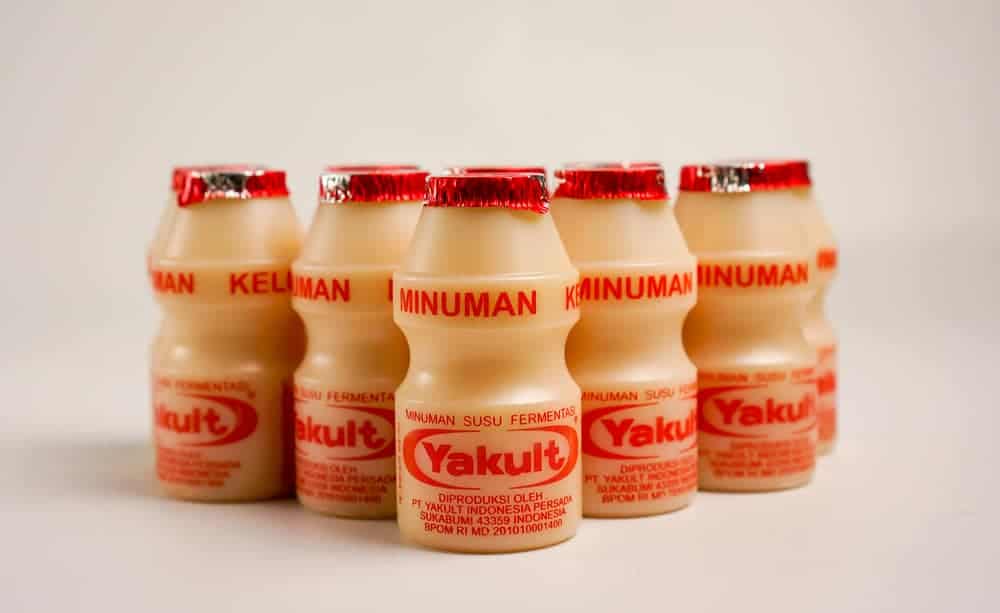
Can dogs drink Yakult?
It’s best to skip it. Yakult isn’t toxic to dogs, but it is a sugary dairy drink made for people. If you want to give your dog a probiotic, use one made for dogs.
Why: We found no veterinary source that covers Yakult itself, so this answer is based on what the drink contains and on vet advice about probiotics. In the U.S., Yakult’s own website lists water, sugar, nonfat milk, glucose, natural flavors and its probiotic strain (L. paracasei Shirota). A 2.7-ounce bottle of the original drink has 50 calories and 10 grams of sugar. That is a lot of sugar for a dog, and the milk can upset a dog that doesn’t digest lactose well (see are dogs lactose intolerant?).
Human vs. dog probiotics: PetMD’s probiotics guide, by veterinarian Teresa Manucy, says human probiotics are not harmful to pets but may not provide the same benefits, and that probiotics made for dogs are preferable. It lists diarrhea, bloating, gas and constipation as possible side effects, especially at high doses. If you use yogurt or kefir instead, both PetMD and the AKC say to choose plain, unsweetened kinds with no xylitol.
Who should skip it: Puppies, dogs that are diabetic or overweight, dogs that have had pancreatitis, and dogs that get loose stools from dairy. If your dog has an ongoing stomach problem, ask your vet whether a probiotic would help, rather than trying a human drink. Our guide to common causes of diarrhea in dogs explains when loose stools need a vet.
Watch for: Gas, bloating or loose stools after a dog drinks some.
Other drinks at a glance
These drinks don’t have their own section in this guide yet. Here is the short version from the references listed below. The five rules above apply to all of them.
Drink
Verdict
Key note
Water
Safe
The only drink a dog needs. PetMD and the AKC say about 1 ounce per pound of body weight a day; dogs that eat canned food drink less. A sudden increase in thirst can be a sign of illness, such as kidney disease, diabetes or Cushing’s disease, so tell your vet. See how much water a puppy should drink.
Broth and bone broth
In moderation
Plain broth is a good way to tempt a picky eater or soften kibble. The AKC warns that store-bought broths may contain onion, garlic or salt, so choose plain or dog-made broth, and never give the cooked bones. See beef broth for dogs.
Pedialyte
In moderation
Only with your vet’s OK. The AKC quotes a vet who uses 50% water and 50% unflavored Pedialyte, in small amounts. Not for dogs with severe vomiting, diabetes or heart failure. Flavored versions contain sucralose, which that vet says isn’t safe for dogs (the AKC’s sweetener guide calls sucralose generally safe but says it can cause diarrhea). It doesn’t replace veterinary care.
Milk
In moderation
A few tablespoons of cow’s or goat’s milk now and then, for a dog that tolerates it. See milk in our dairy guide.
Kefir
In moderation
Plain and unsweetened only, with no xylitol. See kefir in our dairy guide.
Oat milk
Avoid
PetMD names oat milk among the milk alternatives to say no to. Dogster’s vet-reviewed guide says plain, unsweetened oat milk is safe for dogs, but warns that some brands contain xylitol.
Coconut milk
Avoid
PetMD advises against it with the other milk alternatives, and the ASPCA says the oils in coconut milk may cause stomach upset and diarrhea. If you use a little in cooking for your dog, the AKC says to choose unsweetened.
Orange juice
Avoid
PetMD says orange juice is non-toxic to dogs but not recommended, because it is high in sugar and very acidic. A peeled orange or tangerine segment is a better treat; see tangerines in our fruit guide.
Grape juice
Avoid
Grapes and raisins can cause kidney failure in dogs (ASPCA). Cornell University’s canine health center says grape juice has not been linked to poisoning, but it is sugary and there is no reason to take the chance.
Tea
Toxic
Tea contains caffeine. Pet Poison Helpline says a small amount of brewed tea may not reach a toxic level, but tea leaves and tea pods are more concentrated. Call your vet if your dog drinks more than a lap or two, or eats tea leaves or a pod.
Coffee
Toxic
Caffeine poisoning can start at about 9 mg per pound of body weight (Pet Poison Helpline), and three teaspoons of instant coffee grounds could cause moderate signs in a medium-sized dog. Grounds and pods are the biggest danger.
Soda and cola
Avoid
Colas contain caffeine and sugar. The AKC says aspartame and sucralose in diet sodas cause no serious harm beyond possible stomach upset, but check sugar-free drinks for xylitol. Call your vet if your dog drinks a lot of a caffeinated soda.
Energy drinks
Toxic
Pet Poison Helpline says energy drinks contain large amounts of caffeine and even small exposures may be a concern. Call your vet.
Beer, wine and liquor
Toxic
Alcohol is quickly absorbed and can cause vomiting, poor coordination, breathing trouble, tremors, coma and death (ASPCA). Hops in beer can cause a dangerously high fever, according to Pet Poison Helpline. Call your vet. If you buy a “dog beer” treat, check that it lists no alcohol and no hops.
Kombucha
Avoid
No major veterinary source covers it. It is made from tea, so it contains some caffeine, and FirstVet says more research is needed on its safety for dogs.
Salt water
Avoid
A few laps at the beach are common, but the AKC says drinking a lot can cause vomiting, diarrhea and, in severe cases, tremors and seizures. Bring fresh water and take breaks from the water. Call your vet if your dog vomits after a beach day.
Sources
Every verdict in this guide was checked against these sources in October 2026. Where they disagree, we say so in the text.
Hepper, Dogster and FirstVet (vet-reviewed or vet-run), used for points the references above don’t cover: Hepper on coconut water and Gatorade, Dogster on oat milk, and FirstVet on kombucha
An individual with a profound affection for animals, who was brought up in an environment surrounded by dogs, cats, and chickens. A self-taught enthusiast in the realm of pet care. At present, the proud caretaker of two rescued felines and two lovely mixed-breed canines.